

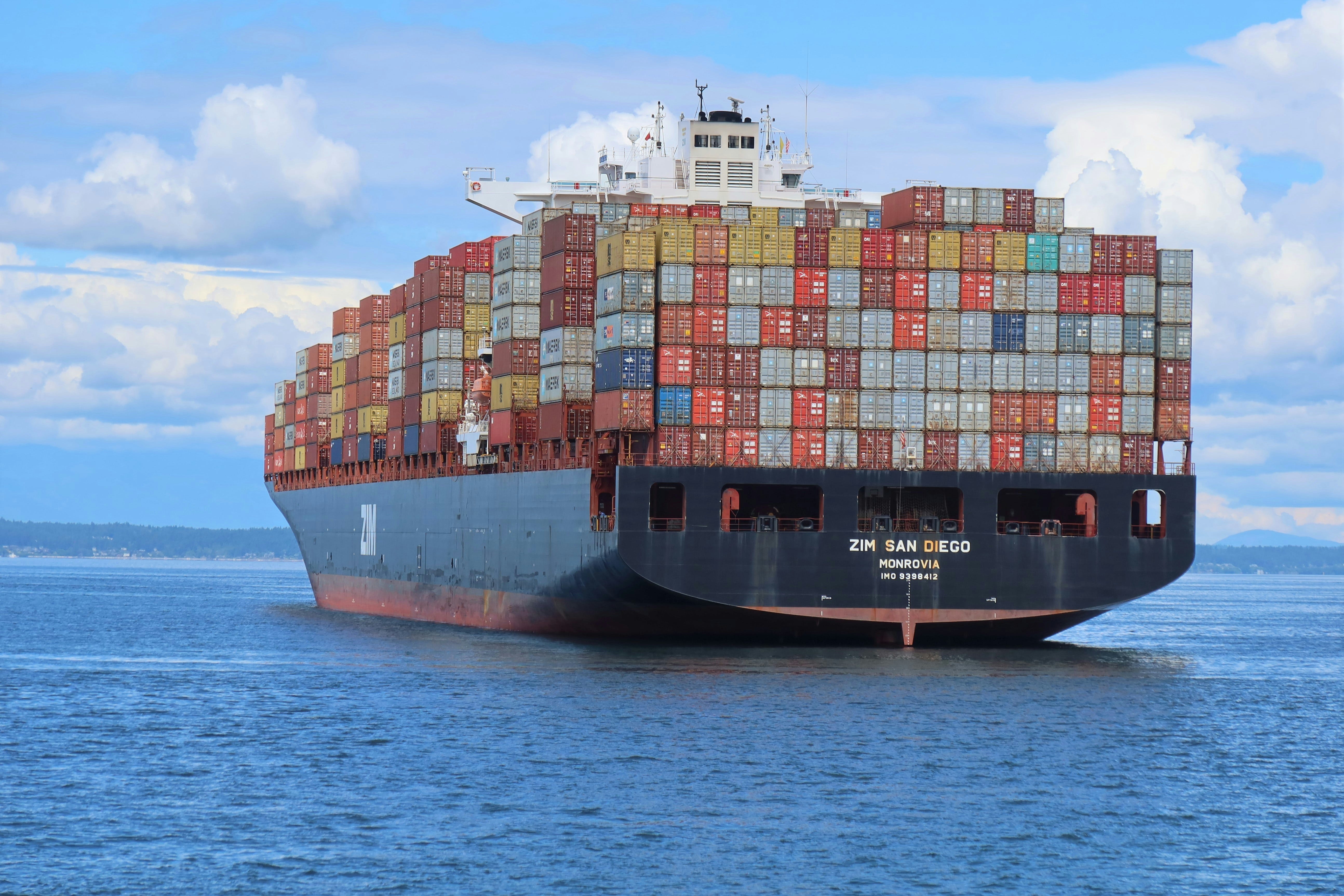
The maritime industry is responsible for nearly 3% of global CO₂ emissions; a figure that continues to rise as trade volumes grow and shipping routes expand. Despite its scale and strategic importance, maritime transport has long been considered a “difficult to abate” sector; one where traditional decarbonisation tools fall short. The sheer energy density required for oceanic voyages, coupled with limited onboard space and refuelling infrastructure, has made clean alternatives elusive. But this is beginning to change.
With mounting regulatory pressure, led by the International Maritime Organization’s revised net zero by 2050 strategy, and growing stakeholder demand for climate-aligned logistics, the sector is entering a decisive phase. The question is no longer if shipping must decarbonise, but how and how fast. This first instalment in our series sets the stage for exploring the fuels, frameworks and financing needed to steer maritime transport into a zero-carbon future.
A Heavy Industry with Few Options
Maritime transport is uniquely hard to electrify. Unlike passenger vehicles or even regional aviation, large container ships and tankers require vast amounts of energy over long distances. Today’s low-sulphur fuel oil (VLSFO) and marine diesel offer high energy densities and global availability; features not easily matched by batteries or biofuels.
Hydrogen-based fuels, especially green hydrogen and its derivatives such as ammonia and methanol, offer a promising pathway. These so-called gH2+ fuels can be produced renewably, stored and transported, and combusted or used in fuel cells without emitting carbon at the point of use. However, current costs remain high, infrastructure is nascent, and questions of safety, certification and lifecycle emissions tracking remain.
Setting a New Course; Policy and Economics Align
Regulatory frameworks are beginning to drive momentum. The EU’s FuelEU Maritime regulation, the inclusion of maritime transport in the EU Emissions Trading Scheme (ETS), and upcoming IMO lifecycle emissions metrics all converge on one message: shipping must clean up its act. At the same time, forward-looking actors in supply chains, from freight customers to port operators, are signalling their readiness to pay for greener transport, provided the pathway is credible, certifiable and cost-manageable.
This is where mechanisms like H2C’s Green Premium Certificates (GPCs) will play a pivotal role. By separating the environmental claims from the physical fuel transaction, GPCs allow the financing of the ‘green premium’ through a broader pool of stakeholders. This will enable producers to reach final investment decisions, and maritime fuel users to make verifiable Scope 1–3 emissions claims.
Navigating Forward
In upcoming posts, we will examine the evolving mix of alternative marine fuels, the infrastructure challenges of bunkering green ammonia, and the intricacies of certifying emissions claims across global supply chains. We will also look at the role of ports as clean energy hubs, the importance of harmonising international standards, and the innovations reshaping how emissions are monitored and monetised.
Maritime shipping’s transition will not happen overnight. But with the right mix of policy, financing, and cross-sectoral cooperation, the industry can become not just compliant, but catalytic; proving that even the hardest to abate sectors can set a course to zero.
For more on how Green Premium Certificates are transforming low carbon fuel markets and enabling the transition, contact: info@h2c.org.